The Ultimate Setup Guide for Your C8 Oled
Introduction
The C8 OLED occupies a prominent place among flat-panel televisions for buyers who prioritize cinematic picture quality and immersive viewing. Combining the hallmark attributes of OLED panels — deep blacks, wide viewing angles, and excellent contrast — with a feature set tailored for modern content and gaming, the C8 is often chosen by viewers building a home theater, gamers seeking low-latency performance, and streaming households that demand natural color and strong HDR rendition. This guide outlines how the C8 performs in real-world use, how to set it up for different viewing environments, and what buyers typically care about when committing to an OLED TV.
Product Overview and Analysis
At its core, the C8 OLED represents the strengths and trade-offs of OLED technology. Its self-emissive pixels allow for per-pixel control of luminance, which produces exceptional black levels and contrast. These characteristics make the C8 particularly well-suited for content with a lot of shadow detail — narrative film, cinematic TV dramas, and high-quality streaming. In addition to its picture performance, the C8's software platform and connectivity options influence day-to-day usability. The following sections analyze the C8 across important dimensions: design, picture, HDR, gaming, smart features, and sound.
Design and Build
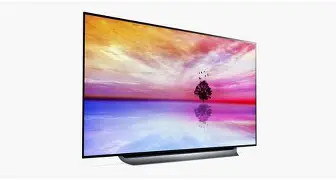
The C8 typically features a thin panel profile and a low-profile stand or optional wall-mount compatibility. The slim chassis contributes to an understated aesthetic that works well in living rooms and dedicated media rooms. From the perspective of installation, the C8's weight distribution favors secure mounting; however, buyers who plan to pair the set with a substantial soundbar should verify clearance between the screen and the furniture or mount to accommodate the sound system without blocking the IR sensor or on-screen display.
Panel and Picture Quality
Picture performance defines the C8 experience. The natural black levels provide an immediate sense of depth, especially in dark-room viewing. Color rendering tends toward accurate and richly saturated tones when the TV is calibrated or placed into a calibrated picture mode. Viewing angle advantages mean that seat placement is more forgiving than on many LCD-based sets: off-axis viewers retain a consistent image without the washed-out appearance common to VA panels.
In bright rooms, the moderate peak brightness of most OLEDs can be a limiting factor compared with some high-end LED and QLED panels. The C8 still delivers strong perceived contrast because of perfect blacks, but buyers who frequently watch in sunlit spaces should plan placement to control reflections and consider room treatments (curtains, blinds, or anti-glare surfaces) to optimize the experience.
HDR and Color Performance
High dynamic range content benefits from the C8's contrast capabilities. HDR highlights appear vivid against inky blacks, which preserves detail in both bright and dark regions of a frame. Color gamut coverage on the C8 typically meets or exceeds the needs of contemporary HDR formats, producing lifelike skin tones and saturated color in nature scenes or animated content. For the most accurate results, selecting a movie or cinema picture profile and applying a modest calibration will help to avoid oversaturated or artificially enhanced hues.
Gaming Features and Performance
Gaming is a prominent use case that influences buying decisions. The C8's low input lag and rapid pixel response suit console and PC gaming, where responsiveness and motion clarity matter. Variable refresh rate (VRR) support and game modes — when present and enabled — reduce judder and screen tearing for modern titles. Competitive players value consistent frame timing; for cinematic single-player games, the C8's superior contrast and detail rendering add to immersion.
Looking for the best TVs & Home Theater deals on Amazon?
View Offers →Smart TV Platform and Connectivity
The software ecosystem determines how effortlessly streaming apps, voice assistants, and firmware updates are accessed. The C8's platform typically offers a comprehensive selection of apps and regular software improvements, but compatibility varies by region and manufacturer. Connectivity-wise, multiple HDMI inputs, a USB port or two, and common networking options (Wi‑Fi and Ethernet) make the set flexible for game consoles, streaming boxes, and external media players. When planning a setup, consider available HDMI versions and whether accessories require the latest standards; for instance, advanced gaming features or next-generation media players may rely on newer HDMI capabilities.
Sound, Placement, and Acoustics
Built-in audio on slim OLEDs is usually serviceable for casual viewing but cannot match a dedicated sound system. Buyers who prioritize cinema-level audio should budget for a soundbar or AV receiver with a separate speaker layout. Placement of a soundbar under the TV or wall-mounted options can enhance dialogue clarity and low-frequency presence. Acoustic considerations such as room size, furniture materials, and reflective surfaces influence perceived sound quality and should factor into speaker selection and furniture placement.
Real-World Use Cases
- Home theater enthusiasts: The C8 shines in dark-room movie viewings where deep blacks and high contrast are essential for cinematic presentation.
- Gamers: Fast-paced titles and modern consoles benefit from the TV's responsive input and motion handling when game mode and VRR are enabled.
- Sports and live events: While OLED offers excellent motion clarity, viewers in bright rooms should mitigate glare to preserve detail in daylight events.
- Streaming-centric households: Frequent users of Netflix, Disney+, and other services will appreciate accurate color and HDR tonality for high-quality streaming catalogs.
- Shared living spaces: Wide viewing angles make the C8 a good fit for rooms with multiple seating positions.
Pros & Cons
- Pros
- Exceptional black levels and contrast for cinematic images
- Wide viewing angles maintain picture quality off-center
- Low input lag and fast pixel response beneficial for gaming
- Natural and accurate color reproduction after calibration
- Slim design integrates well with modern interiors
- Cons
- Moderate peak brightness compared with some LED/QLED alternatives, affecting bright-room performance
- Risk of image retention or burn-in with prolonged static content (mitigations exist)
- Built-in speakers are often insufficient for serious audiophiles
- Premium price compared to mainstream LED sets
Comparison (C8 OLED vs LED/LCD vs QLED)
| Aspect | C8 OLED | LED/LCD | QLED |
|---|---|---|---|
| Black Levels & Contrast | Per-pixel dimming produces true blacks and near-infinite contrast. | Depends on panel/zone dimming; blacks can appear gray in dark scenes. | Improved blacks over standard LED but typically behind OLED in absolute black. |
| Brightness | Good for most HDR content but lower peak brightness than brightest LED sets. | Wide range; some models achieve very high peak brightness for bright rooms. | Often among the brightest consumer panels, strong in bright environments. |
| Viewing Angles | Excellent — colors and contrast preserved off-axis. | VA panels can suffer off-angle color and contrast loss; IPS panels fare better. | Better than many VA panels but typically not as consistent as OLED. |
| Burn-in Risk | Present but manageable with careful use and built-in mitigation features. | No burn-in concerns for typical usage. | No burn-in; longevity generally high under varied content. |
| Gaming | Excellent responsiveness and low input lag; great for immersive gaming. | Varies widely; high-refresh and low-latency models available. | Strong gaming performance on premium models with high refresh and VRR. |
| Price | Typically premium pricing for the class. | Broad range from budget to premium. | Premium pricing, often comparable to OLED in high-end models. |
Buying Guide: What Buyers Typically Care About
When considering a C8 OLED, several practical factors influence the purchase decision. The following checklist helps prioritize the most relevant features based on typical buyer concerns.
1. Room Lighting and Screen Size
Buyers should match screen size and placement to room lighting. In dark rooms, larger screens deliver a theater-like experience without worrying about peak brightness limits. In bright living rooms, smaller sizes and strategic placement away from direct sunlight reduce glare. Curtains, matte finishes on surrounding surfaces, and low-reflectivity furniture help maintain contrast.
2. Viewing Habits and Burn-in Considerations
Buyers who watch varied content — movies, series, and games — will find burn-in risk minimal with normal usage. Heavy use of static elements (news tickers, HUDs in games, or channel logos) over many hours may require additional precautions: use screensavers, enable automatic pixel shift, reduce static brightness levels, and avoid leaving static images on for extended periods.
3. Gaming Needs and Future-Proofing
For gamers, confirm support for low input lag, game mode, and dynamic refresh features. If plans include next-generation consoles or high-frame-rate PC gaming, verify the presence of modern HDMI features and VRR support where relevant. Cable and accessory compatibility should be checked to ensure no bottlenecks in the video chain.
4. Calibration and Picture Modes
Out-of-the-box picture settings often favor punch and pop for in-store displays; a calibrated or cinema profile typically yields more accurate results. Buyers who value color fidelity may invest in professional calibration or use reputable calibration guides to tweak basic controls: brightness (OLED light), contrast, gamma, color temperature, and motion handling. Many owners find that selecting a dedicated movie or ISF-like mode and disabling excessive processing yields the best balance between accuracy and natural motion.
Looking for the best TVs & Home Theater deals on Amazon?
View Offers →5. Audio Solutions and Home Theater Integration
Evaluate the sound plan early. For a full cinematic setup, pairing the C8 with a soundbar or a surround system dramatically improves dialogue clarity and low-frequency impact. Check whether the TV supports HDMI ARC/eARC for simplified audio connections to modern receivers and soundbars.
6. Warranty, Service, and Software Support
Compare warranty terms, including any panel-specific protections related to image retention. Software support matters as smart platforms evolve; confirm whether the manufacturer provides regular firmware updates and how responsive they are in resolving bugs or adding streaming services.
Recommended Setup and Calibration Steps
A concise setup checklist helps owners optimize the C8 for the intended environment:
- Initial placement: Mount at eye level for seated viewing; leave ventilation clearance above and behind the set.
- Picture mode: Start with Cinema/Movie/ISF mode for accurate color; avoid dynamic or vivid presets for daily viewing.
- Brightness/Contrast: Adjust OLED Light (or backlight on other panels) to suit room brightness; set contrast high but avoid clipping highlights.
- Color and White Balance: If available, use Warm color temperature for a neutral white point; reduce saturation if skin tones look unnatural.
- Motion processing: Disable oversharpening and excessive motion smoothing for film content; enable lightweight motion features if sports require added clarity.
- Gaming configuration: Enable Game mode and any VRR/low-lag features for consoles or PCs to minimize input lag.
- Burn-in mitigation: Enable pixel shift, automatic dimming, or screen savers and avoid long static logos at high brightness.
- Audio: Configure ARC/eARC if using an external audio system; set the TV speakers to passthrough when appropriate.
Maintenance and Longevity Tips
Proper maintenance extends the life and performance of the C8. Avoid static images for prolonged periods, use power-saving features when the set is idle, and keep firmware updated. Periodic pixel-refresh cycles, if available, help minimize retention. Physical care involves gentle cleaning with a microfiber cloth and avoiding abrasive cleaners on the panel.
Conclusion
The C8 OLED offers a compelling package for those who value cinematic picture quality, accurate color, and responsive gaming performance. While buyers must weigh trade-offs such as peak brightness in bright rooms and the need to manage static content, the set's strengths make it a versatile centerpiece for living rooms and dedicated home theaters alike. With careful placement, sensible calibration, and modest precautions against image retention, the C8 delivers an immersive viewing experience that satisfies a wide range of real-world use cases.