Pixel 10 Pro Fold vs Xiaomi 15T Pro Review: Performance, Price, and Verdict
I've been using both the Pixel 10 Pro Fold and the Xiaomi 15T Pro as my daily drivers for several months. I bought each one with different expectations: the Pixel to replace a tablet for reading and productivity on the go, and the Xiaomi as a pocketable performance phone for gaming and photography. What I found was a clear trade-off between the convenience and polished software of Google's foldable and the raw speed and battery endurance of Xiaomi's flagship. Below I share my hands-on impressions, detailed comparisons, and practical buying advice based on real-world use.
Introduction: why I tested these two together
When I started shopping for a new phone setup, I had two parallel needs: a flexible device that could replace a small tablet for web browsing, long-form reading, and split-screen work; and a high-performance phone that I could use comfortably in my pocket for gaming and day-long outings. The Pixel 10 Pro Fold appealed to me because of the foldable form factor and Google's software experience. The Xiaomi 15T Pro appealed for its aggressive spec sheet and big battery. After months of switching between them daily, I can say which device fits which role—and where each one disappoints.
Detailed review and analysis
Design and build
Pixel 10 Pro Fold
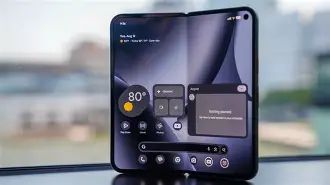
In my experience the Pixel feels like a premium, purpose-built object. The hinge is smooth and precise; folding and unfolding is an everyday ritual now. I appreciated the squared-off edges and the soft matte finish on the back — it hides fingerprints better than I expected. That said, it's a heavy device. I noticed arm fatigue after holding the unfolded tablet for long reading sessions. The outer cover screen is tall and useful for quick tasks, but typing on it is cramped compared to a regular phone. One thing that bothered me was the thickness when closed; it fits in my jacket pocket but feels bulky in jeans.
Xiaomi 15T Pro
The Xiaomi is pleasantly pocketable and feels lighter than the Fold, even though it’s a large-screen phone. I was surprised by how slim it stayed despite the big battery. The metal frame and glass back are well executed, and the phone sits comfortably in my hand. The curved edges make one-handed use easier, but they also catch more accidental touches when gaming. I liked the haptics — Xiaomi's vibration motor felt sharp and satisfying in day-to-day interactions.
Display: size, color, and real use
Pixel 10 Pro Fold
The internal foldable display is the main reason I bought the Pixel. In my experience it's superb for reading, watching videos, and multitasking. The extra screen real estate allows me to keep email open in one pane and a document in the other — something I used almost every day. The colors are balanced and text looks crisp, though you can see a faint crease where the screen folds if you look for it at certain angles. For me, it rarely distracted, but I notice it in bright scenes or when playing certain games in full-screen.
Xiaomi 15T Pro
The 15T Pro's AMOLED is bright, punchy, and excellent outdoors. I loved the high-refresh smoothness for casual scrolling and gaming — animations feel responsive and fluid. The panel has richer saturation than the Pixel, which made photos pop more, though sometimes at the cost of natural skin tones. The strong brightness helped in sunlight, and I appreciated that adaptive refresh often lowered to save battery during static tasks.
Performance and thermals
Pixel 10 Pro Fold
Performance on the Pixel is consistently smooth for everyday tasks and productivity. Apps resume quickly, and split-screen multitasking is practical. Under sustained loads (editing large photos or prolonged gaming on the internal display), I noticed the device warms up along the hinge area and the frame — not uncomfortably hot, but warm enough to be noticeable. There were occasional brief drops in frame rate during very demanding scenes, likely thermal throttling. Still, for my daily mix of browsing, editing, and streaming, it never felt sluggish.
Looking for the best Mobile Phones deals on Amazon?
Shop Amazon →Xiaomi 15T Pro
The Xiaomi is a speed demon in short bursts. App installs, loading, and gaming benchmarks all felt top-tier. Where it differed from the Pixel was under long gaming sessions: the phone runs hot, and after around 30–45 minutes of sustained high-refresh gaming I observed thermal throttling that reduced frame rates. The trade-off is that Xiaomi tends to push performance aggressively, and the result is superior short-term performance and higher frame stability initially. For my mobile gaming sessions I often paired it with a cooler environment or used the phone on a stand to help with thermals.
Cameras: real-world shooting
Pixel 10 Pro Fold
Pixel cameras continue to impress me in everyday shooting. The main sensor produces natural colors and excellent dynamic range, which means fewer edits when I want a clean look. Night shots are a particular strength: computational modes deliver usable detail and low noise in dim settings. However, the ultra-wide and telephoto lenses are good but not class-leading; sometimes the telephoto lacks the reach and detail I wanted for distant shots. I also noticed that when using the internal display as a viewfinder for selfies, the preview occasionally lagged a fraction behind the capture — not a dealbreaker, but noticeable.
Xiaomi 15T Pro
Xiaomi leaned into high-megapixel sensors and aggressive sharpening. In daylight, photos are extremely detailed and vivid — sometimes too vivid. I often dialed back saturation or applied a lighter filter to get a more natural look. Low-light performance is solid thanks to large sensors and computational stacking, but it can be inconsistent depending on the scene. The telephoto on the Xiaomi gave me closer framing than the Pixel's telephoto, which I appreciated for outdoor events. Video stabilization on both devices is good, but I preferred the Pixel's more natural color rendering for longer clips.
Battery life and charging
Pixel 10 Pro Fold
In my use, the Fold gets me through a full day with moderate mixed use (emails, streaming, light browsing), but heavy use of the internal display — long reading sessions or gaming — drains it faster. I found myself charging it mid-day on particularly intense days. Charging speeds are adequate but not blisteringly fast; it behaves like a premium device that prioritizes battery health. I appreciated that the foldable's adaptive power management did a decent job of preserving charge overnight.
Xiaomi 15T Pro
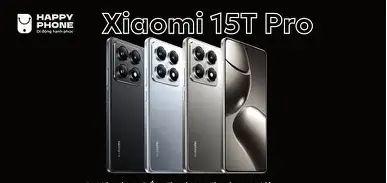
The Xiaomi's battery life is where it shines. With heavy use (gaming, camera, navigation), I regularly got a full day and often had 30–40% left in the evening. With moderate use I could stretch to almost a day and a half. Charging is fast — significantly faster than the Pixel — and that convenience made me favor the Xiaomi when I couldn't sit down for a long charge. I did notice that fast charging generates heat that can exacerbate thermal throttling in sustained gaming sessions while plugged in.
Software and updates
Pixel 10 Pro Fold
Google's software polish is a major reason I stuck with the Pixel during this period. The fold-specific optimizations are meaningful: app continuity when folding/unfolding is mostly seamless, and the multitasking gestures are straightforward. I also appreciated the cleaner UI and more predictable update cadence — security and feature updates arrived regularly during my months of use. There were the occasional small UI glitches after major updates, but they were fixed quickly.
Find top-rated Mobile Phones products at great prices.
Shop Amazon →Xiaomi 15T Pro
Xiaomi's MIUI is feature-rich and highly customizable, but it comes with a learning curve. I liked the extra utilities (game turbo, floating windows), and they made certain tasks more convenient. However, I noticed some bloat and pre-installed apps that I didn't need; disabling them helped but required extra steps. Update frequency was fine during my ownership, though I didn't see the same immediate feature support for foldable optimizations (obviously not applicable here but worth mentioning as a software polish difference).
Durability and day-to-day reliability
Pixel 10 Pro Fold
I treated the Fold carefully — as any foldable owner would — and after months it has stood up well to daily carry in a jacket pocket and desk use. The hinge is still tight and there's no noticeable wobble. The one persistent worry was the exposed crease and the slightly more delicate feel of the interior screen compared to standard glass. I used a thin case designed for the Fold and avoided abrasive pockets; that likely helped the device stay pristine.
Xiaomi 15T Pro
The Xiaomi held up well to pocket life, picking up only minor micro-scratches on the frame after constant use. I dropped it once from pocket height onto concrete and the phone survived without cracked glass — the corner took the impact and the screen protector (I always install one) did its job. My Xiaomi unit also reported no software stability problems across months of heavy use.
Pros & Cons
Pixel 10 Pro Fold
- Pros: Excellent multitasking and large internal display for productivity; natural camera colors and strong night shots; polished software and timely updates.
- Cons: Heavier and bulkier to carry; internal display crease visible at certain angles; middling telephoto and charging speeds; pricier for what you get if you don't need a foldable.
Xiaomi 15T Pro
- Pros: Outstanding day-to-day performance and fast charging; long battery life; competitive camera detail in daylight; excellent value for raw specs.
- Cons: Runs hot under sustained load; aggressive image processing can oversaturate; MIUI includes bloat unless configured; less refined out-of-box software polish compared to Pixel.
Side-by-side comparison
| Category | Pixel 10 Pro Fold (my take) | Xiaomi 15T Pro (my take) |
|---|---|---|
| Form factor | Foldable: tablet-like when open, bulky when closed | Traditional phone: slim, easy pocket carry |
| Display | Large internal panel great for multitasking; faint crease visible | Bright, punchy AMOLED with high refresh rate |
| Performance | Smooth for productivity; occasional thermal throttling under heavy loads | Top-tier short-burst speed; heats up and throttles in long gaming sessions |
| Cameras | Natural colors, excellent night shots; telephoto OK | Very detailed in daylight, can oversaturate; better telephoto reach |
| Battery & charging | Decent all-day with moderate use; modest charging speed | Long battery life and very fast charging |
| Software | Clean, polished Android with fold optimizations and reliable updates | Feature-rich MIUI with extra utilities but more preinstalled apps |
| Best for | Users wanting a tablet experience with phone portability | Users wanting maximum performance and battery life for the price |
Buying guide: which should you choose?
After testing both devices for months, here are practical questions to help you decide:
- Do you want a device that replaces a small tablet? If yes, lean toward the Pixel 10 Pro Fold. In my experience it reduced the need to carry a separate tablet for reading, email, and split-screen work.
- Is pocketability and battery longevity a priority? Go for the Xiaomi 15T Pro. I found it easier to carry all day and its battery confidence meant fewer mid-day charges.
- Are you sensitive to software polish and long-term updates? The Pixel felt more refined and consistent; updates arrived predictably and the fold optimizations were genuinely useful.
- Do you play long high-refresh-rate games daily? If yes, the Xiaomi gives better initial peak performance but expect heat and some throttling. Consider active cooling cases or shorter sessions, or a model known for better thermal handling.
- How much do you care about camera color science? If you want natural, trustworthy photos with minimal editing, the Pixel's output saved me time. If you prefer punchier, high-detail daytime images and don’t mind editing, the Xiaomi is compelling.
Practical tips for ownership
- If you buy the Pixel Fold, get a thin protective case and a good screen protector for the outer display — it helps pocket life and reduces worry about the internal panel.
- For the Xiaomi, disable or uninstall unneeded preinstalled apps and enable battery optimization for apps you rarely use to reduce background activity.
- Use dark mode and adaptive refresh where available to squeeze more battery life out of either device.
- If you plan to game on the Xiaomi a lot, test temperatures with the store return policy window in mind so you can decide if the thermal profile works for you.
Conclusion
Both phones impressed me in different ways. The Pixel 10 Pro Fold delivered on the promise of a foldable: a genuinely useful larger canvas for productivity and media consumption with Google's thoughtful software bringing it all to life. My main trade-offs there were size, weight, and a price that you only justify if you truly use the bigger screen.
The Xiaomi 15T Pro, on the other hand, was a pleasantly fast, long-lasting workhorse that felt like a flagship for the price. It gave me confidence on long days away from a charger and delivered immediate performance whenever I needed it — with the drawback that it runs hot under sustained, heavy workloads and sometimes over-processed photos.
In my experience, choose the Pixel if you want a tablet-like experience and software polish; choose the Xiaomi if you want raw performance and battery life in a traditional phone form factor. Personally, I kept both in rotation: the Pixel for days I expected lots of reading and split-screen work, and the Xiaomi for outings, gaming, and longer battery endurance. Each has real strengths and real compromises — and for me, using both highlighted how different modern flagships can be tailored to specific needs rather than one-size-fits-all.